Hard water affects over 85% of American homes, and South Florida is one of the hardest-hit regions in the country. But how do you know if hard water is causing problems in your home? Here are the seven most common signs.
1. White Spots on Dishes and Glassware
If you notice a chalky white residue on your glasses, plates, and silverware after washing, hard water is likely the culprit. These mineral deposits -- primarily calcium and magnesium -- cling to surfaces as water evaporates.
Quick fix: Rinse aids can help temporarily, but a water softener eliminates the problem at the source.
2. Dry, Itchy Skin and Dull Hair
Hard water makes it difficult for soap to lather properly and leaves a film on your skin and hair. This residue can clog pores, cause irritation, and leave hair feeling lifeless and brittle.
Many people notice an immediate improvement in skin softness and hair texture after installing a whole-house water softener.
3. Scale Buildup on Faucets and Fixtures
That crusty white or yellowish buildup around your faucets, showerheads, and drains is limescale -- a direct result of hard water minerals. Over time, this buildup can restrict water flow and damage fixtures.
4. Frequent Plumbing Issues
Hard water causes mineral deposits inside your pipes, gradually reducing water pressure and increasing the risk of clogs. If you are calling a plumber more often than expected, hard water could be the underlying cause.
5. Appliance Problems and Reduced Lifespan
Water heaters, dishwashers, and washing machines all suffer from hard water. Scale buildup forces these appliances to work harder, using more energy and wearing out faster. Studies show hard water can reduce water heater efficiency by up to 48%.
6. Stiff, Faded Laundry
Hard water prevents detergent from dissolving properly, leaving clothes feeling stiff and scratchy. Colors fade faster, whites turn gray or yellow, and you may find yourself using more detergent to compensate.
7. Higher Utility Bills
When scale builds up inside your water heater, it acts as insulation between the heating element and the water. This forces the heater to work harder and longer, increasing your energy bills.
What Can You Do About Hard Water?
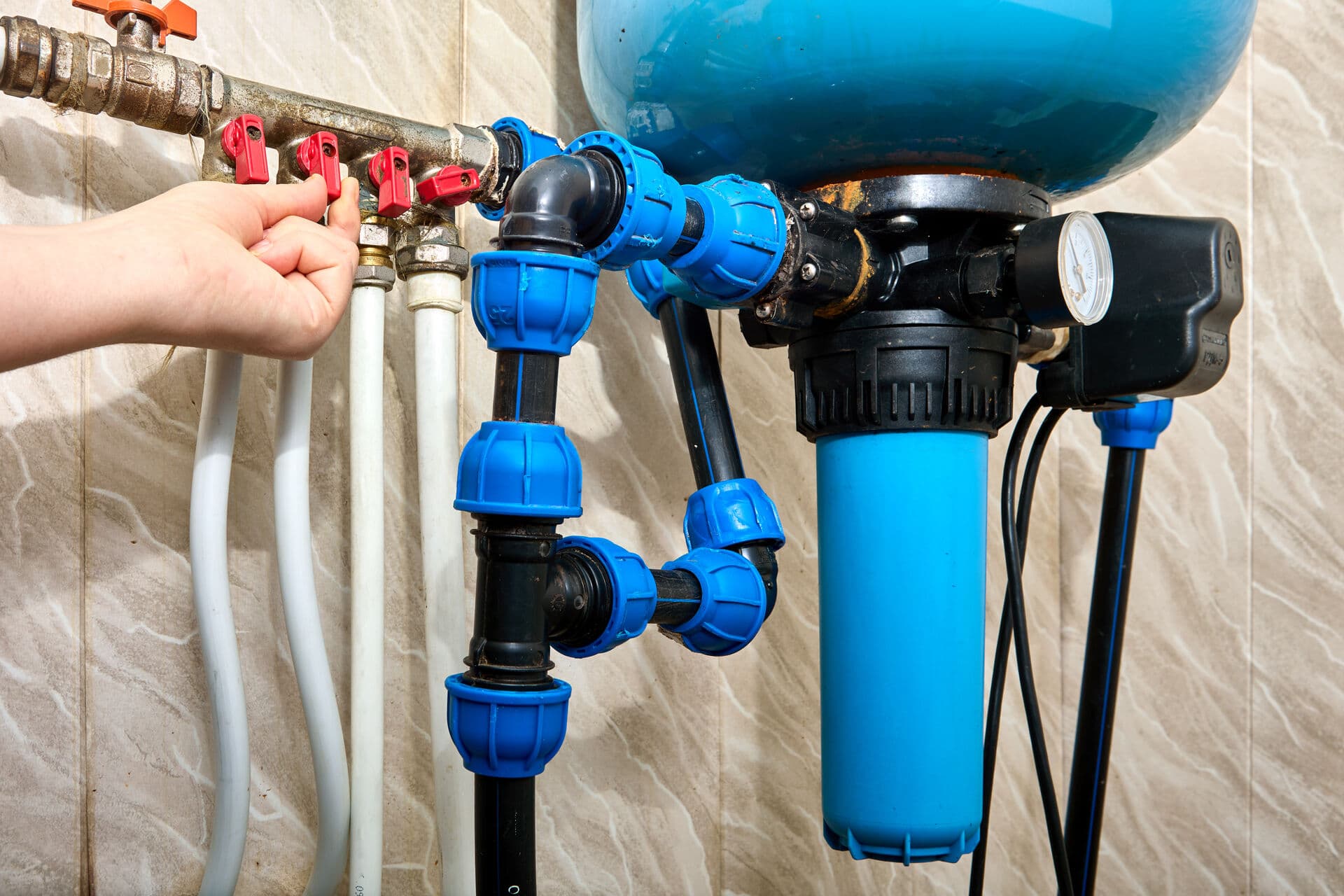
The most effective solution is a whole-house water softener. Modern systems use ion exchange technology to remove calcium and magnesium before water reaches your faucets, appliances, and fixtures.
Benefits of a Water Softener
- Cleaner dishes without spots or film
- Softer skin and hair after bathing
- Longer appliance lifespan -- up to 30% longer
- Lower energy bills -- up to 29% savings on water heating
- Less cleaning -- no more scrubbing limescale
- Brighter laundry with less detergent
Get a Free Water Test
Not sure if you have hard water? We offer a free, no-obligation water test that measures hardness levels, pH, chlorine, TDS, and more. Our technician will visit your home, test your water, and explain the results on the spot.
Schedule your free water test today and take the first step toward better water for your home and family.