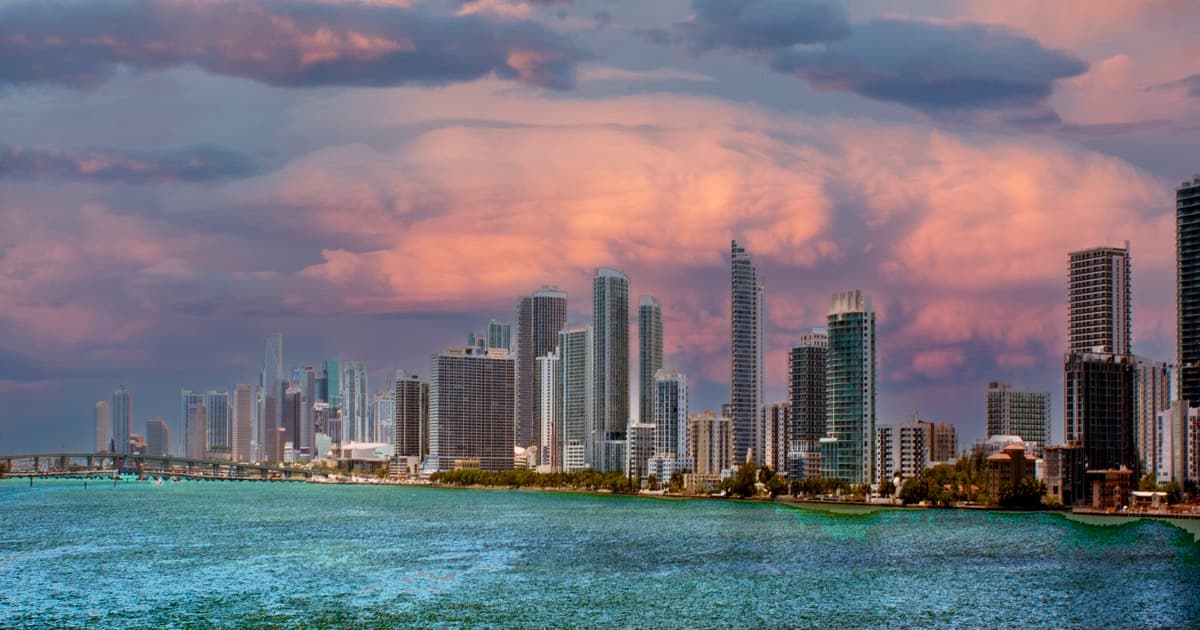
South Florida's water supply is among the most complex in the United States. Three major counties, Broward, Miami-Dade, and Palm Beach, serve more than 6 million residents drawing water from a combination of the Biscayne Aquifer, surface water canal systems, and the Everglades watershed. Each county faces distinct water quality challenges, and understanding those differences is the first step toward protecting your home and family.
The Source System: Biscayne Aquifer and Surface Water
Unlike Central and North Florida, which draw heavily from the deep Floridan Aquifer, South Florida's primary freshwater source is the Biscayne Aquifer, a shallow, unconfined surficial aquifer that lies just feet below the surface across much of Miami-Dade and Broward Counties. This geology creates unique advantages and vulnerabilities.
Advantages: The Biscayne Aquifer is highly productive, it can supply water in enormous volumes because of its high permeability through the porous limestone and shell deposits that make up its structure. This is why South Florida can sustain one of the densest population concentrations in the Southeast.
Vulnerabilities: Because it's shallow and unconfined, the Biscayne Aquifer is directly susceptible to surface contamination. Agricultural chemicals from western Broward and Miami-Dade County farmland, PFAS compounds from historical firefighting foam use at military bases and civilian airports, urban runoff, and saltwater intrusion from rising sea levels along the coast all directly threaten this aquifer. There is essentially no protective confining layer above it.
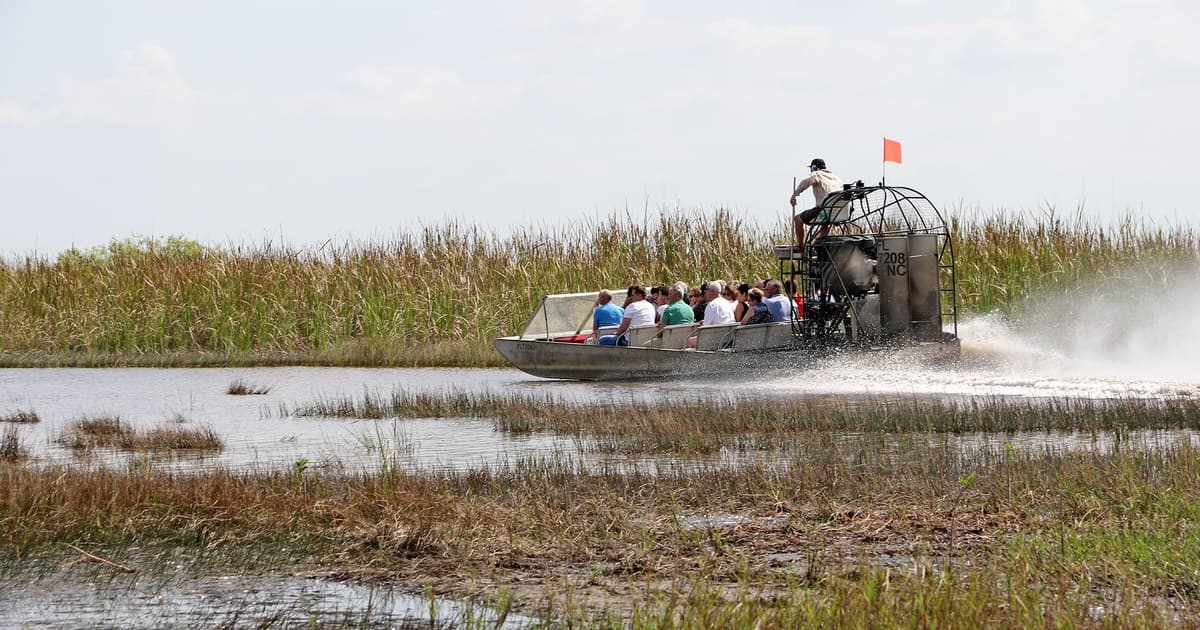
South Florida utilities also draw heavily from the canal network that the Army Corps of Engineers built to manage the Everglades water system. The South Florida Water Management District operates an enormous network of canals and water control structures that move water from Lake Okeechobee south toward the Everglades and east toward coastal utilities. Canal water is surface water, highly variable in quality depending on season, rainfall, and upstream activities.
The treatment process for this water is substantial: coagulation, flocculation, settling, filtration, and disinfection, typically with chloramines, before distribution.
Broward County Water Quality
Broward County's municipal water is served primarily by the Broward County Water and Wastewater Services department and numerous independent municipal utilities. Fort Lauderdale, Hollywood, Pompano Beach, and other cities operate their own systems drawing from a combination of Biscayne Aquifer wells and surface water from the canal network.
Hardness: Broward County water is moderately hard by Florida standards, typically 8–14 grains per gallon (GPG) in most municipal systems. This is lower than Central Florida's Floridan Aquifer hardness but still sufficient to cause scale buildup on appliances and fixtures over time. The 7 GPG threshold where softening becomes recommended is exceeded in most of Broward.
Chloramines: Broward County utilities, including Fort Lauderdale's water system, use chloramines as the primary disinfectant residual. As with all chloraminated systems, standard activated carbon filtration is insufficient, catalytic carbon is required for effective chloramine removal. Chloramine disinfection byproducts including NDMA (N-nitrosodimethylamine) have been detected in South Florida water systems.
PFAS: Multiple Broward County water systems have detected PFAS compounds above the EPA's 2024 National Primary Drinking Water Rule limits of 4 parts per trillion for PFOA and PFOS. The Biscayne Aquifer's vulnerability to surface contamination, combined with the proximity of Fort Lauderdale-Hollywood International Airport (where PFAS-containing AFFF firefighting foam was historically used) and military installations in the area, has contributed to documented PFAS contamination.
Trihalomethanes and HAAs: Broward County's consumer confidence reports document total trihalomethanes (TTHMs) and haloacetic acids (HAAs) within EPA MCLs but at levels the EWG considers to exceed health-based guidelines. Summer months, when warmer source water requires heavier disinfection treatment, see the highest disinfection byproduct levels.
Miami-Dade County Water Quality
Miami-Dade is served primarily by the Miami-Dade Water and Sewer Department (MDWASD), one of the largest water utilities in the country, serving approximately 2.3 million customers. The system draws primarily from the Biscayne Aquifer through a network of wellfields.
Hardness: Miami-Dade water is notably lower in hardness compared to Broward, typically 8–12 GPG in most areas. This reflects the aquifer chemistry in Miami-Dade, where calcium carbonate concentrations are lower than in parts of Broward and Palm Beach. However, hardness at 8–12 GPG still exceeds the threshold where scale formation is a concern for water heaters and appliances.
PFAS: Miami-Dade's proximity to Homestead Air Reserve Base, where large quantities of PFAS-containing AFFF foam were used historically, has created documented PFAS contamination concerns in aquifer zones south of the city. MDWASD monitors for PFAS and has implemented treatment upgrades at affected wellfields. The ongoing nature of PFAS remediation means monitoring is critical for Miami-Dade residents.
Saltwater Intrusion: This is a growing Miami-Dade-specific concern. As sea levels rise and freshwater is withdrawn from the coastal Biscayne Aquifer faster than it recharges, saltwater from Biscayne Bay moves inland through the permeable aquifer. Miami-Dade has documented saltwater intrusion reaching several miles inland from the coast in some areas. While the utility monitors and adjusts wellfield operations, saltwater intrusion is a long-term structural threat to Miami-Dade's primary water source.
Chloramines: MDWASD uses chloramines in its distribution system. The combination of organic-rich Everglades-adjacent source water and chloramination creates conditions for a range of disinfection byproduct formation.
Palm Beach County Water Quality
Palm Beach County's water quality is in some ways the most complex of the three counties, largely because the county spans from densely urbanized coastal communities to agricultural areas in western Palm Beach County that are among the most intensively farmed in the country.
Hardness: Palm Beach County water is generally harder than Miami-Dade and comparable to or harder than Broward, typically 10–18 GPG across various municipal systems. The Palm Beach County Water Utilities Department, which serves a large portion of unincorporated Palm Beach County, draws from the Floridan Aquifer (deep source) as well as the surficial aquifer, and the blend varies. Areas receiving more Floridan Aquifer water see higher hardness.
Agricultural contamination: Western Palm Beach County is home to the Everglades Agricultural Area, one of the most productive sugar and vegetable farming regions in the country. Agricultural runoff including nitrates, pesticides, and historically applied PFAS-containing pesticide formulations reaches the county's water sources through the canal system. Palm Beach County utilities treat for these contaminants, but the agricultural influence on source water quality is ongoing.
West Palm Beach and Jupiter: The City of West Palm Beach draws primarily from Lake Okeechobee and the coastal canal system, surface water with heavy treatment requirements. Jupiter and northern Palm Beach County communities draw from Floridan Aquifer sources. This geographic variation means Palm Beach County residents in different cities may have significantly different water chemistry.
What All Three Counties Have in Common
Despite their individual differences, South Florida's three major counties share several water quality challenges that every homeowner should address:
Chloramines in all municipal systems. Every major South Florida municipal system uses chloramines. This means standard carbon filtration is insufficient everywhere, catalytic carbon is the minimum requirement for effective disinfectant removal, and it matters for your skin, your appliances' rubber seals (chloramines are corrosive to rubber), and your overall exposure to disinfection byproducts.
PFAS risk across the region. The Biscayne Aquifer's vulnerability, the proximity of military bases and airports with PFAS histories, and the agricultural use of PFAS-containing products means PFAS is a documented concern across all three counties. Reverse osmosis is the only home treatment technology that effectively reduces PFAS compounds.
Moderate hardness requiring attention. At 8–18 GPG across the region, South Florida water is hard enough to cause scale damage to water heaters, reduce appliance lifespan, and increase detergent and soap consumption, even if it doesn't feel as hard as Florida's interior aquifer water.
Disinfection byproducts from organic-rich source water. The combination of Everglades-adjacent surface water, the organic-rich Biscayne Aquifer, and chloramination creates a profile of disinfection byproducts including THMs, HAAs, and NDMA that the EPA permits but the EWG flags as health concerns at measured levels.
HydraGen's Approach to South Florida Water
HydraGen Essentials, founded by Seth Williams and Daniel, was built specifically for South Florida water conditions. We understand that Broward, Miami-Dade, and Palm Beach water isn't the same as water in Orlando or Tampa, the source system, the contaminant profile, and the treatment requirements are all different.
Our systems for South Florida homes use catalytic carbon to address the chloramine issue that standard filters miss, paired with reverse osmosis for drinking water protection against PFAS, THMs, and other contaminants present in the regional water supply. Water softening addresses the moderate hardness that most South Florida homes experience.
Every HydraGen system is NSF/WQA certified, backed by a 10-year warranty, and sized for your specific address and water chemistry. We start with a free water test, because Fort Lauderdale water at the Pompano Beach wellfield is not the same as water in Hialeah or West Palm Beach, and your system should be designed for your actual water.
Schedule a free water test with HydraGen Essentials today and get a complete picture of what South Florida's water system is delivering to your tap.