Reverse osmosis (RO) is widely considered the gold standard for residential drinking water purification. But how does it actually work, and is it the right choice for your home? This guide covers everything you need to know.
How Reverse Osmosis Works
In simple terms, reverse osmosis forces water through a semi-permeable membrane with pores so small that virtually nothing except water molecules can pass through. The contaminants are flushed away, and clean water is stored in a tank for use.
The Multi-Stage Process
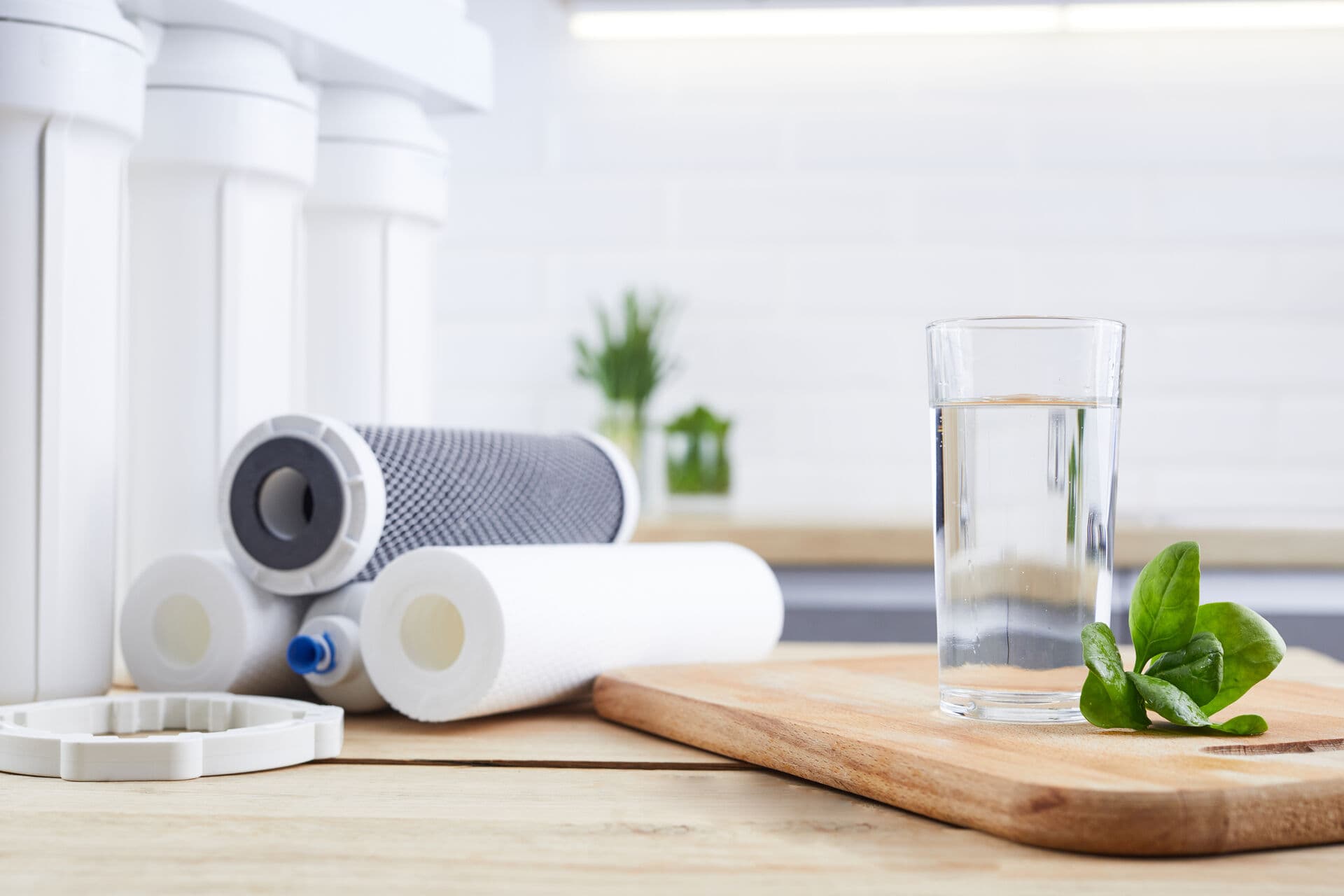
A typical RO system has 4 to 7 stages of filtration:
- Sediment pre-filter -- Removes sand, silt, and rust particles that could damage the membrane
- Carbon pre-filter -- Removes chlorine, which degrades RO membranes, plus organic chemicals and taste/odor
- RO membrane -- The core of the system, removing dissolved solids, heavy metals, and contaminants
- Post-carbon filter -- Final polish for taste and clarity
- Optional: Remineralization -- Adds beneficial minerals back for taste and alkalinity
- Optional: UV sterilization -- Adds an extra layer of pathogen protection
- Optional: Alkaline filter -- Raises pH for those who prefer alkaline water
What Does RO Remove?
Reverse osmosis is effective at removing:
- Heavy metals -- Lead (99%), arsenic (97%), mercury (96%), chromium (97%)
- Dissolved minerals -- Calcium, magnesium, sodium, potassium
- Chemicals -- Chlorine, chloramine, fluoride, pesticides, herbicides
- Disinfection byproducts -- TTHMs, HAAs, and other chlorine byproducts
- Microorganisms -- Bacteria, viruses (with proper pre-treatment)
- Microplastics -- Particles too small for most other filters
- Pharmaceuticals -- Many prescription drug residues
- Nitrates and sulfates -- Common in agricultural areas and well water
What RO Does Not Remove
- Some volatile organic compounds (VOCs) -- Addressed by carbon pre-filters
- Dissolved gases -- Like hydrogen sulfide (rotten egg smell), which should be treated before RO
Types of RO Systems
Standard Tank Systems
The most common residential option. Water is filtered and stored in a pressurized tank (typically 3-4 gallons), ready for use. When you open the faucet, water flows from the tank.
Pros: Reliable, affordable, widely available Cons: Tank takes up space under the sink, water can taste stale if not used regularly
Tankless Systems
A newer design that filters water on demand without a storage tank. Higher flow rates and fresher water, but requires more powerful pumps.
Pros: Compact, fresh water on demand, continuous supply Cons: Higher upfront cost, requires electricity, slightly louder during use
Countertop Systems
Portable units that sit on your counter and connect to the faucet. Good for renters or those who cannot modify plumbing.
Pros: No installation, portable, affordable Cons: Lower capacity, takes up counter space, slower filtration
Installation
Under-Sink (Most Common)
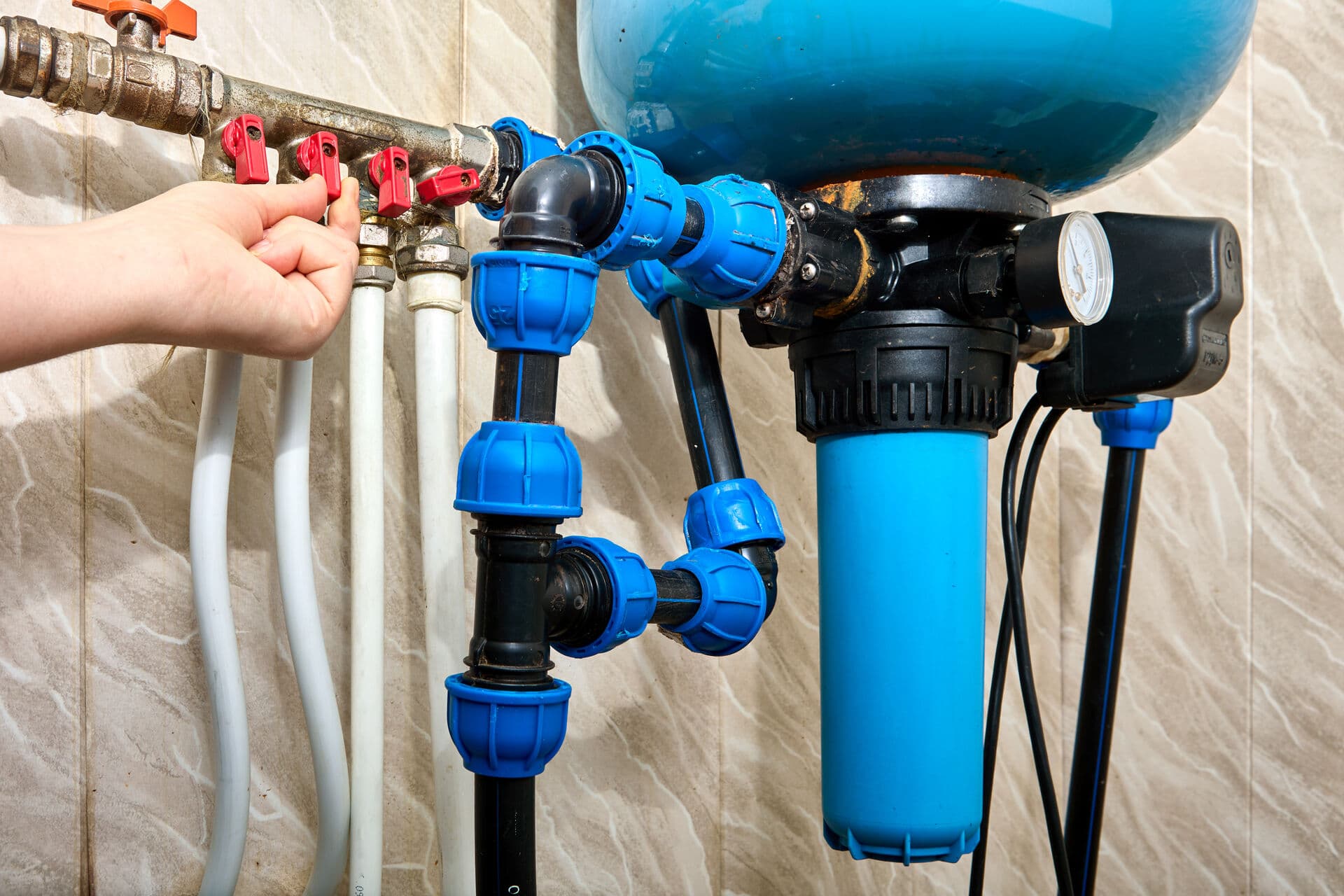
The system installs under your kitchen sink and includes a dedicated faucet mounted on the countertop. Installation typically takes 1-2 hours for a professional.
What is included:
- Filter housing mounted under sink
- Storage tank (if applicable)
- Dedicated drinking water faucet
- Connection to cold water supply
- Drain connection for wastewater
Refrigerator Connection
Many homeowners connect their RO system to the refrigerator for filtered water and ice. This requires an additional line from the RO system to the fridge.
Maintenance
RO systems require regular filter changes to maintain performance:
- Sediment and carbon pre-filters -- Every 6-12 months
- RO membrane -- Every 2-3 years
- Post-carbon filter -- Every 12 months
- Remineralization filter -- Every 12 months (if equipped)
Signs Your Filters Need Changing
- Water flow has slowed noticeably
- Taste or odor has changed
- TDS reading has increased (test with a TDS meter)
- It has been longer than the recommended interval
Cost Breakdown
Equipment and Installation
- Basic 4-stage system -- $300-$500 installed
- Premium 5-7 stage system -- $500-$800 installed
- Tankless system -- $600-$1,000 installed
Annual Maintenance
- Filter replacements -- $50-$100 per year
- Membrane replacement -- $50-$80 every 2-3 years
Cost Per Gallon
An RO system produces water for approximately $0.02-$0.05 per gallon, compared to $1-$2 per gallon for bottled water.
Common Concerns
Does RO Waste Water?
Traditional RO systems produce 3-4 gallons of wastewater for every gallon of purified water. Modern high-efficiency systems have improved this to a 1:1 or even 2:1 ratio. The wastewater can be diverted to garden irrigation.
Does RO Remove Beneficial Minerals?
Yes, RO removes dissolved minerals including calcium and magnesium. However, the amounts in drinking water are nutritionally insignificant compared to what you get from food. If you prefer mineralized water, a remineralization stage adds them back.
Is RO Water Acidic?
Pure RO water has a slightly acidic pH (around 6.5) because it absorbs carbon dioxide from the air. An alkaline post-filter can raise the pH if desired. In practice, this slight acidity has no health impact.
Is RO Right for You?
Reverse osmosis is ideal if you:
- Want the highest quality drinking water possible
- Have specific contaminant concerns (lead, arsenic, PFAS)
- Currently buy bottled water regularly
- Want to eliminate microplastics from your drinking water
- Live in an area with poor municipal water quality
Ready to Get Started?
Contact us to learn about our RO system options, or schedule a free water test to find out exactly what contaminants an RO system would remove from your water.