Whether your home is connected to a municipal water supply or relies on a private well, water quality in South Florida presents unique challenges. Understanding what is in your water -- and how it got there -- is the first step toward finding the right solution.
City Water in South Florida
Municipal water in Miami-Dade, Broward, and Palm Beach counties comes primarily from the Biscayne Aquifer, one of the most productive aquifers in the world. While the water is treated at municipal plants before reaching your home, it is far from perfect.
Common City Water Issues
- Hard water -- South Florida has some of the hardest water in the country, averaging 15-25 grains per gallon
- Chlorine and chloramine -- Used to disinfect water, these chemicals cause taste and odor issues
- Disinfection byproducts -- Trihalomethanes (TTHMs) and haloacetic acids form when chlorine reacts with organic matter
- Elevated TDS -- Total dissolved solids are commonly above 300 ppm
- Aging infrastructure -- Old pipes between the treatment plant and your home can add lead and other contaminants
Best Filtration for City Water
For most city water homes, we recommend a three-part approach:
- Whole-house water softener to remove hardness minerals
- Whole-house carbon filter to remove chlorine, taste, and odor
- Under-sink reverse osmosis for purified drinking and cooking water
Well Water in South Florida
Private wells draw from the same aquifer system but without municipal treatment. This means you are responsible for your own water quality. Well water in our region comes with its own set of challenges.
Common Well Water Issues
- Iron and sulfur -- Causes orange staining and rotten egg smell
- Bacteria and microorganisms -- No municipal disinfection means potential biological contamination
- Tannins -- Organic compounds that cause yellow or tea-colored water
- Hard water -- Often even harder than city water
- pH imbalance -- Well water can be acidic, corroding pipes and fixtures
- Sediment -- Sand, silt, and other particles from the aquifer
Best Filtration for Well Water
Well water typically requires more comprehensive treatment:
- Sediment pre-filter to remove particles
- Iron and sulfur removal system for staining and odor
- Water softener for hardness
- UV disinfection to eliminate bacteria without chemicals
- Reverse osmosis for drinking water
Key Differences at a Glance
Testing Requirements
City water is tested regularly by the utility and results are published in annual Consumer Confidence Reports. Well water has no required testing -- it is entirely your responsibility. We recommend well water be tested at least annually, or more frequently if you notice changes in taste, color, or smell.
Maintenance
City water systems require less maintenance since the water is pre-treated. Well water systems work harder and may need more frequent filter changes and service visits.
Cost
Well water treatment systems cost more upfront due to the additional equipment needed, but you save on monthly water bills since well water is free.
Which Do You Have?
Not sure whether your home is on city or well water? Here are some clues:
- City water -- You receive a water bill from a utility company and have a water meter at the street
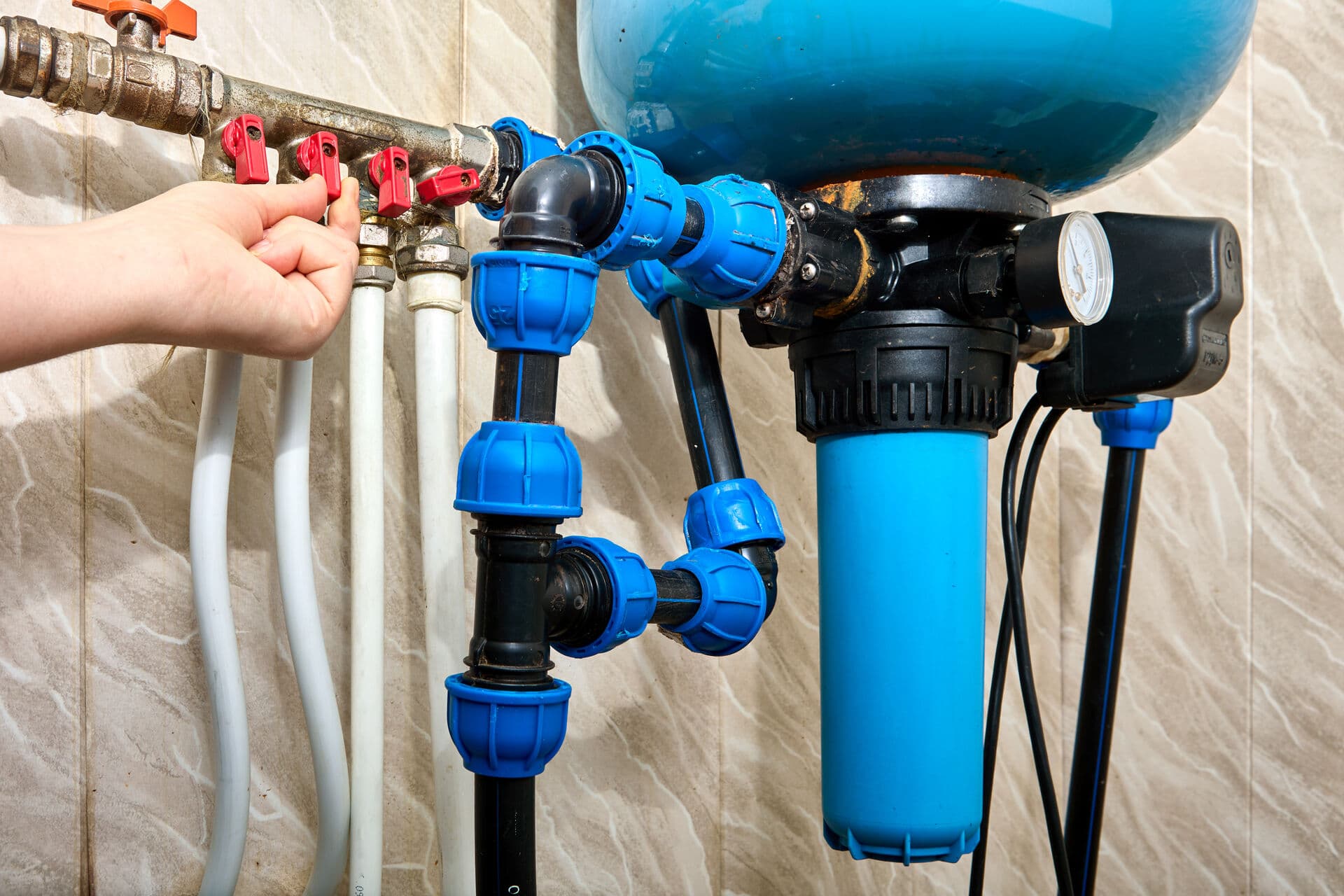
- Well water -- You have a well pump, pressure tank, and no monthly water bill
Get Your Water Tested
Regardless of your water source, we offer free in-home water testing that identifies exactly what is in your water. Our technician will test for hardness, chlorine, iron, pH, TDS, bacteria, and more -- then recommend the right solution for your specific situation.
Schedule your free water test and find out what is really in your water.