South Florida's tap water meets federal legal limits, but that does not mean it is free from concerning contaminants. According to the Environmental Working Group (EWG), water systems throughout Miami-Dade, Broward, and Palm Beach counties contain multiple contaminants that exceed health guidelines based on the latest scientific research.
Legal Does Not Mean Safe
Federal water quality standards have not been updated in decades. Many legal limits reflect political compromise rather than the latest health science. The EWG sets stricter health guidelines based on current peer-reviewed research.
For example, haloacetic acids (HAA5) -- a byproduct of the chlorine used to disinfect water -- are found at levels hundreds of times above EWG health guidelines in many South Florida water systems, even though they technically meet the legal limit.
Common Contaminants in South Florida Water
Disinfection Byproducts
When chlorine interacts with organic matter in water, it creates byproducts like trihalomethanes (TTHMs) and haloacetic acids. These are among the most concerning contaminants found locally and have been linked to increased cancer risk.
Chromium (Hexavalent)
Made famous by the Erin Brockovich case, hexavalent chromium is found in many South Florida water systems at levels exceeding EWG health guidelines. It is linked to cancer and kidney damage.
Radium
A naturally occurring radioactive element, radium has been detected in several local water systems. Long-term exposure is associated with bone cancer and other health concerns.
Nitrate
Common in agricultural areas, nitrate contamination can be particularly dangerous for infants and pregnant women. South Florida's proximity to agricultural regions contributes to elevated nitrate levels.
What Can You Do?
1. Check Your Water Quality
Enter your zip code on our water quality checker to see what contaminants have been detected in your local water supply.
2. Get a Professional Water Test
A free in-home water test gives you precise data about what is in your specific water supply, not just regional averages.
3. Install the Right Filtration
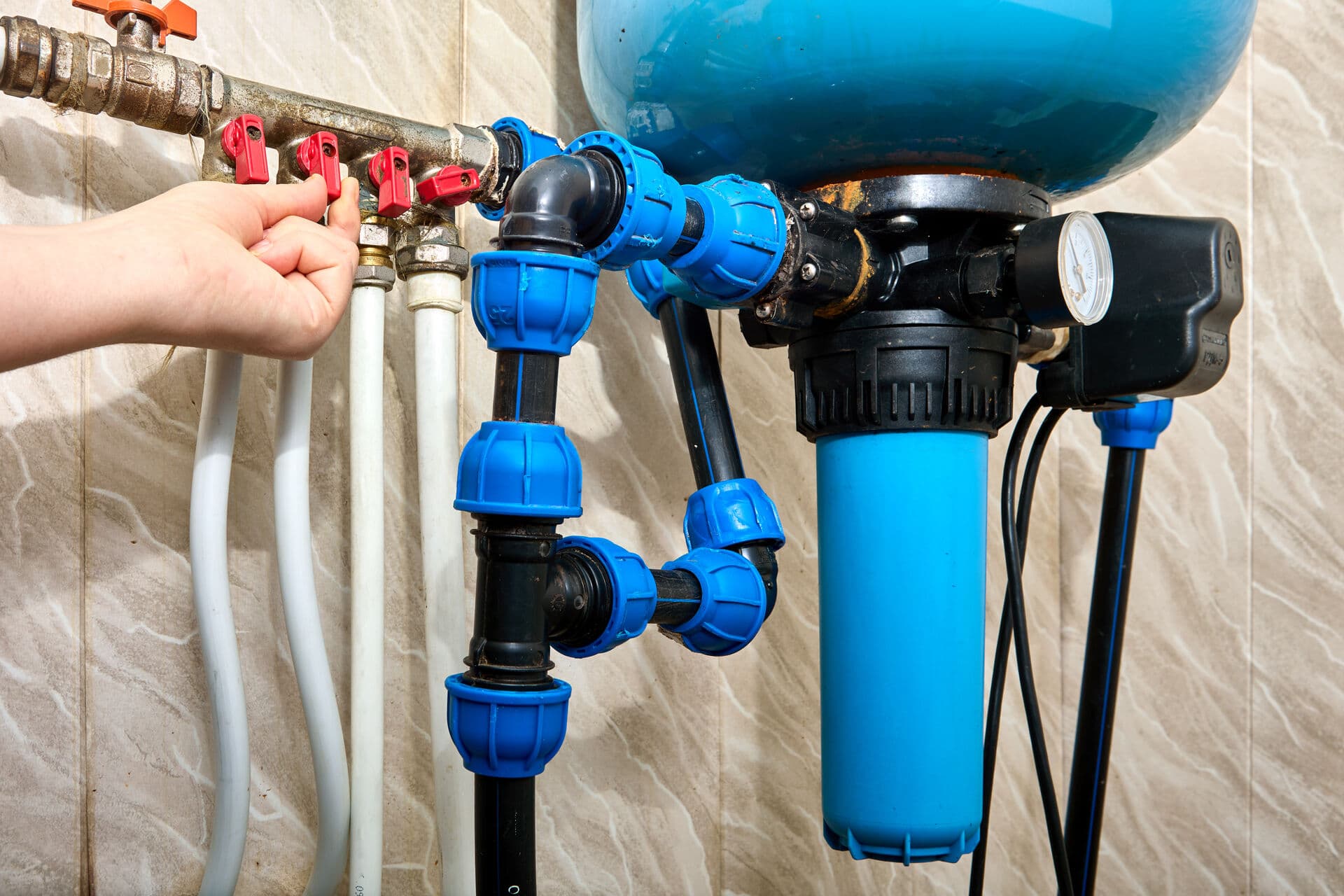
Based on your water test results, a combination of whole-house filtration and point-of-use reverse osmosis can effectively remove the vast majority of contaminants found in South Florida water.
The Bottom Line
Your water may be "legal" but that does not mean it is optimal for your family's health. Understanding what is in your water is the first step toward making it better.
Schedule a free water test to find out exactly what is in your water and get a personalized recommendation.