Your water heater is one of the most expensive appliances in your home, and in South Florida, hard water is quietly cutting its lifespan in half. Understanding how this happens -- and what you can do about it -- can save you thousands of dollars.
How Hard Water Damages Your Water Heater
South Florida water averages 15-25 grains per gallon of hardness, some of the highest levels in the country. When this mineral-laden water is heated, the calcium and magnesium precipitate out of solution and form a layer of scale on the heating elements and inside the tank.
The Scale Problem
Think of scale like the mineral buildup you see on your faucets and showerheads, except it is happening inside your water heater where you cannot see it. Over months and years, this layer grows thicker, creating a barrier between the heating element and the water.
What Scale Does to Your Water Heater
Reduced efficiency. Scale acts as insulation. As the layer thickens, the heating element has to work harder and longer to heat the same amount of water. A U.S. Department of Energy study found that just 1/16 inch of scale reduces water heater efficiency by up to 11%. In severe cases, efficiency drops by 48% or more.
Higher energy bills. When your water heater works harder, you pay more. Homeowners with hard water and no softener typically spend 25-30% more on water heating compared to homes with treated water.
Shortened lifespan. A standard water heater should last 10-15 years. With untreated hard water, many fail at 6-8 years. The constant overheating caused by scale buildup stresses components and accelerates corrosion.
Popping and rumbling noises. If you hear your water heater making popping, cracking, or rumbling sounds, scale is the likely cause. Water trapped beneath the scale layer boils and creates these noises as steam escapes through the deposits.
Inconsistent hot water. As scale accumulates, your water heater produces less hot water per cycle. You may notice shorter showers, longer recovery times, or lukewarm water at the tap.
Tank vs. Tankless: Both Are Affected
Tank Water Heaters
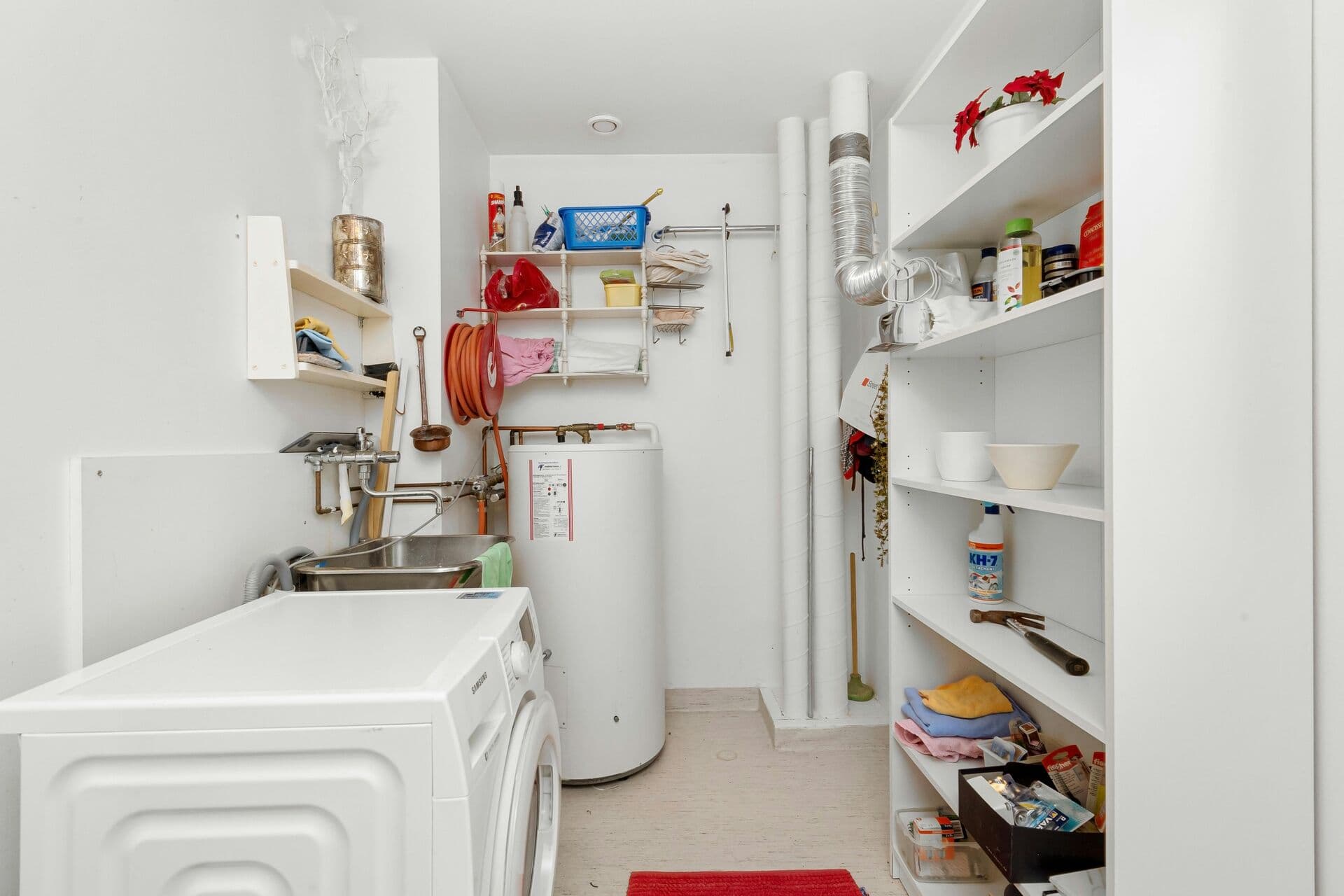
Traditional tank heaters are especially vulnerable because water sits in the tank for extended periods, allowing minerals to settle and accumulate. The bottom of the tank, where the heating element is located, collects the most scale.
Tankless Water Heaters
Tankless units are not immune. Scale builds up on the heat exchanger, reducing flow rates and efficiency. Most tankless manufacturers require annual descaling (flushing with vinegar or a descaling solution) to maintain warranty coverage.
Warning Signs of Scale Damage
Watch for these indicators that hard water is affecting your water heater:
- Popping or rumbling noises during heating cycles
- Longer wait times for hot water
- Higher energy bills without increased usage
- Lukewarm water even at maximum temperature setting
- Cloudy or particle-filled hot water (scale breaking loose)
- Rust-colored hot water (corrosion accelerated by scale)
- Leaking from the bottom of the tank (severe case, often means replacement)
The Real Cost
Let us look at the numbers for a typical South Florida home:
Without a Water Softener
- Water heater lifespan: 6-8 years
- Replacement cost: $1,200-$2,500 (installed)
- Extra energy cost: $200-$400 per year
- Over 15 years: 2 replacements + $3,000-$6,000 in extra energy = $5,400-$11,000
With a Water Softener
- Water heater lifespan: 12-15 years
- Replacement cost: Same, but only once in 15 years
- Energy savings: $200-$400 per year
- Over 15 years: 1 replacement + energy savings = $1,200-$2,500 total
The difference is $4,000-$8,500 over 15 years -- and that is just for the water heater. Factor in dishwasher, washing machine, and plumbing savings, and a water softener pays for itself multiple times over.
How to Protect Your Water Heater
Install a Water Softener
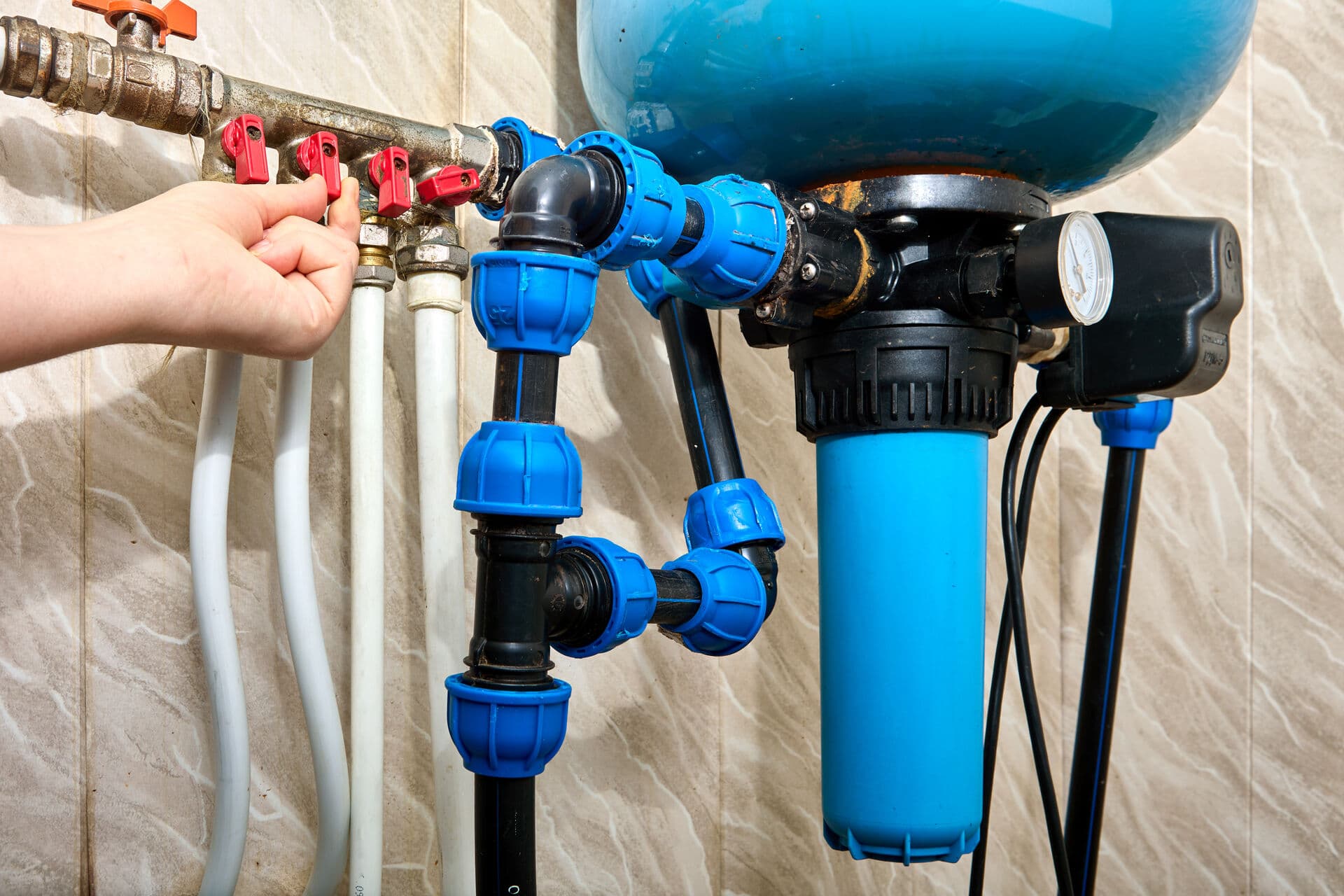
This is the most effective prevention. A softener removes calcium and magnesium before they reach your water heater, eliminating scale formation entirely. If you already have scale buildup, a softener stops it from getting worse.
Flush Your Tank Annually
Even with a softener, flushing your tank water heater once a year removes any accumulated sediment. Connect a garden hose to the drain valve, shut off the cold water supply, and drain until the water runs clear.
Lower the Temperature
Scale forms faster at higher temperatures. Setting your water heater to 120 degrees (the DOE recommended setting) slows scale accumulation while still providing comfortable hot water and preventing bacterial growth.
Consider an Anode Rod Replacement
The sacrificial anode rod inside your tank corrodes to protect the tank itself. In hard water, this rod degrades faster. Check it annually and replace it when it is more than 50% corroded -- typically every 3-5 years with hard water.
Already Have Scale Buildup?
If your water heater is already affected, here are your options:
- Flush and descale -- For mild buildup, a professional flush with a descaling solution can remove some deposits
- Install a softener now -- Stops further damage and protects the remaining lifespan
- Plan for replacement -- If your unit is making noise and over 8 years old with untreated water, replacement may be more cost-effective than repair
Protect Your Investment
A water softener is not a luxury in South Florida -- it is essential equipment that protects your largest water-using appliances and saves money every month.
Schedule a free water test to find out your exact hardness level and get a recommendation tailored to your home.