Congratulations on your new home. Among the long list of things to figure out as a new homeowner, water quality is one that often gets overlooked -- but it should not. The water in your South Florida home affects your health, your appliances, your plumbing, and your monthly bills.
Here is everything you need to know, broken down simply.
Your Water Probably Has Problems (And That Is Normal)
South Florida sits on top of a limestone aquifer that produces extremely hard water. Whether you are on city water or well water, your home almost certainly has some combination of these issues:
- Hard water (15-25 grains per gallon, compared to the national average of 3-7)
- Chlorine taste and odor from municipal treatment
- Elevated TDS (total dissolved solids)
- Potential contaminants that meet legal limits but exceed health guidelines
This does not mean your water is dangerous. It means it is not optimal, and left untreated, it will quietly damage your home over time.
What Hard Water Does to Your Home
Hard water is the biggest issue for South Florida homeowners. Here is what it costs you:
Plumbing
Mineral deposits build up inside pipes, gradually restricting water flow. A new home may have clean pipes today, but without a softener, scale starts accumulating immediately.
Water Heater
Scale insulates the heating element, forcing it to work harder. Studies show hard water reduces water heater efficiency by up to 48% and can cut its lifespan in half.
Appliances
Dishwashers, washing machines, and ice makers all suffer. Hard water leaves spots on dishes, makes laundry stiff and faded, and produces cloudy ice.
Fixtures
That crusty white buildup on faucets and showerheads? That is limescale from hard water. It is cosmetically annoying and damages finishes over time.
Skin and Hair
Hard water makes it difficult for soap to lather and leaves a film on your skin and hair. Many people notice drier skin and duller hair in hard water areas.
What You Actually Need
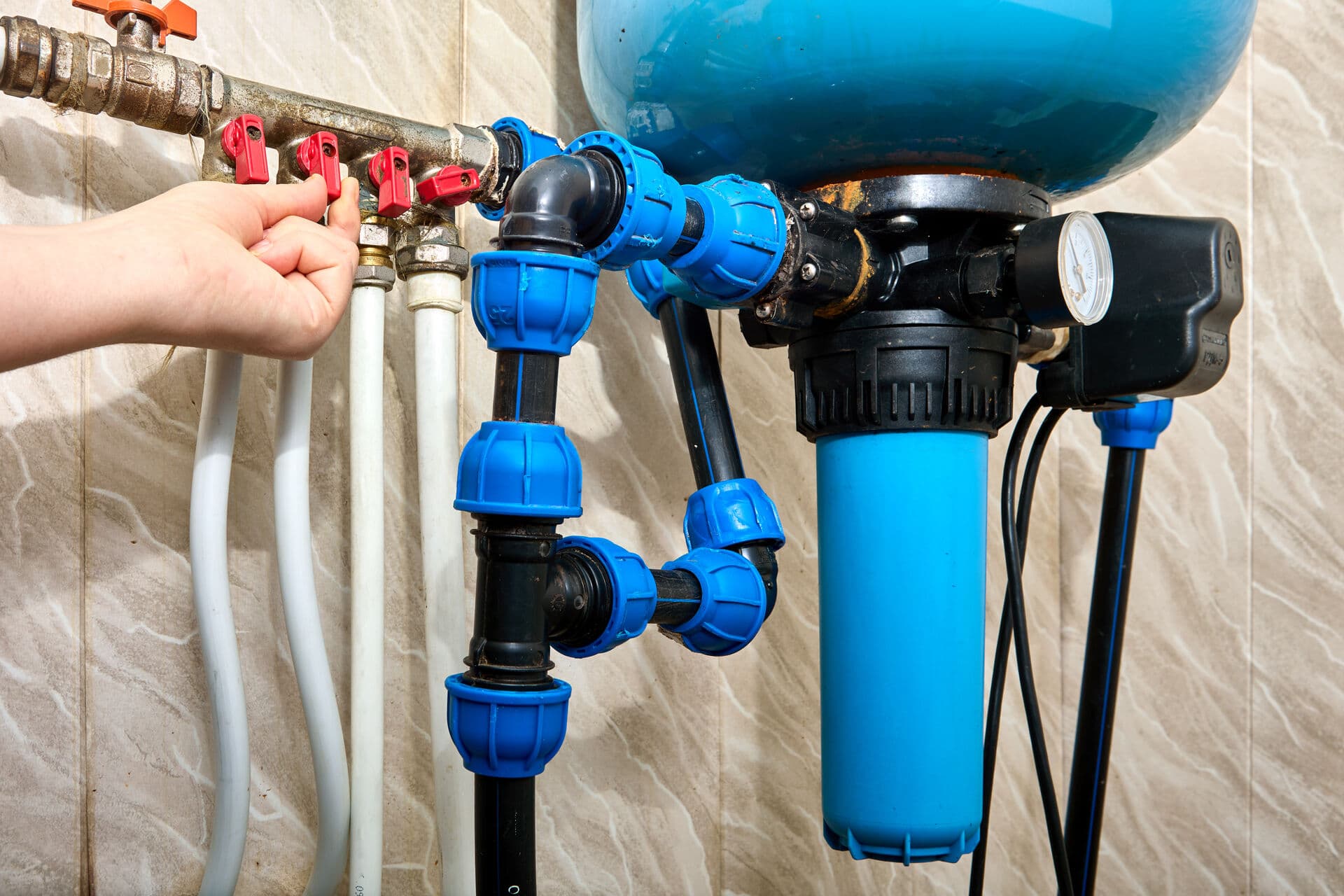
For most South Florida homes, the ideal setup has three components:
1. Whole-House Water Softener
This is the most important piece. A softener removes calcium and magnesium before water reaches any fixture or appliance in your home. It protects your plumbing, extends appliance life, and makes a noticeable difference in how your water feels.
2. Whole-House Carbon Filter
A carbon filter removes chlorine, chloramine, and organic chemicals. This improves the taste and smell of water at every tap and protects the softener resin from chlorine damage.
3. Under-Sink Reverse Osmosis
An RO system at the kitchen sink provides the purest drinking and cooking water. It removes up to 99% of dissolved contaminants that the other systems do not address.
What About the Home Inspection?
Your home inspection likely did not test water quality in any meaningful way. Inspectors check that water flows and drains work, but they do not test for hardness, contaminants, or chemical levels.
If you are buying a home with an existing water treatment system, have it inspected separately. Check:
- When the system was last serviced
- How old the equipment is (most systems last 10-15 years)
- Whether the resin bed is still effective
- If filters have been changed on schedule
When to Install
The best time to install a water treatment system is right after you move in, before hard water starts damaging your new home. Every day without a softener means more scale building up in your pipes, water heater, and appliances.
Many new homeowners roll the cost into their home improvement budget or use financing to spread the expense over monthly payments.
Cost Expectations
Here is what to budget for a typical South Florida home:
- Water softener -- $1,500-$3,500 installed
- Carbon filter -- $800-$1,500 installed
- RO system -- $300-$800 installed
- Combination packages -- $2,500-$5,000 installed (often discounted when bundled)
- Annual maintenance -- $150-$500 depending on the plan
These costs pay for themselves through longer appliance life, lower energy bills, and eliminating bottled water purchases.
Do Not Wait
The damage hard water causes is cumulative and often invisible until it is too late. A water heater that fails years early or pipes that need replacing are far more expensive than prevention.
Start With a Free Water Test
We offer a completely free, no-pressure in-home water test. In 30 minutes, you will know exactly what is in your water and get a personalized recommendation for your new home.
Schedule your free water test -- it is the smartest move a new South Florida homeowner can make.