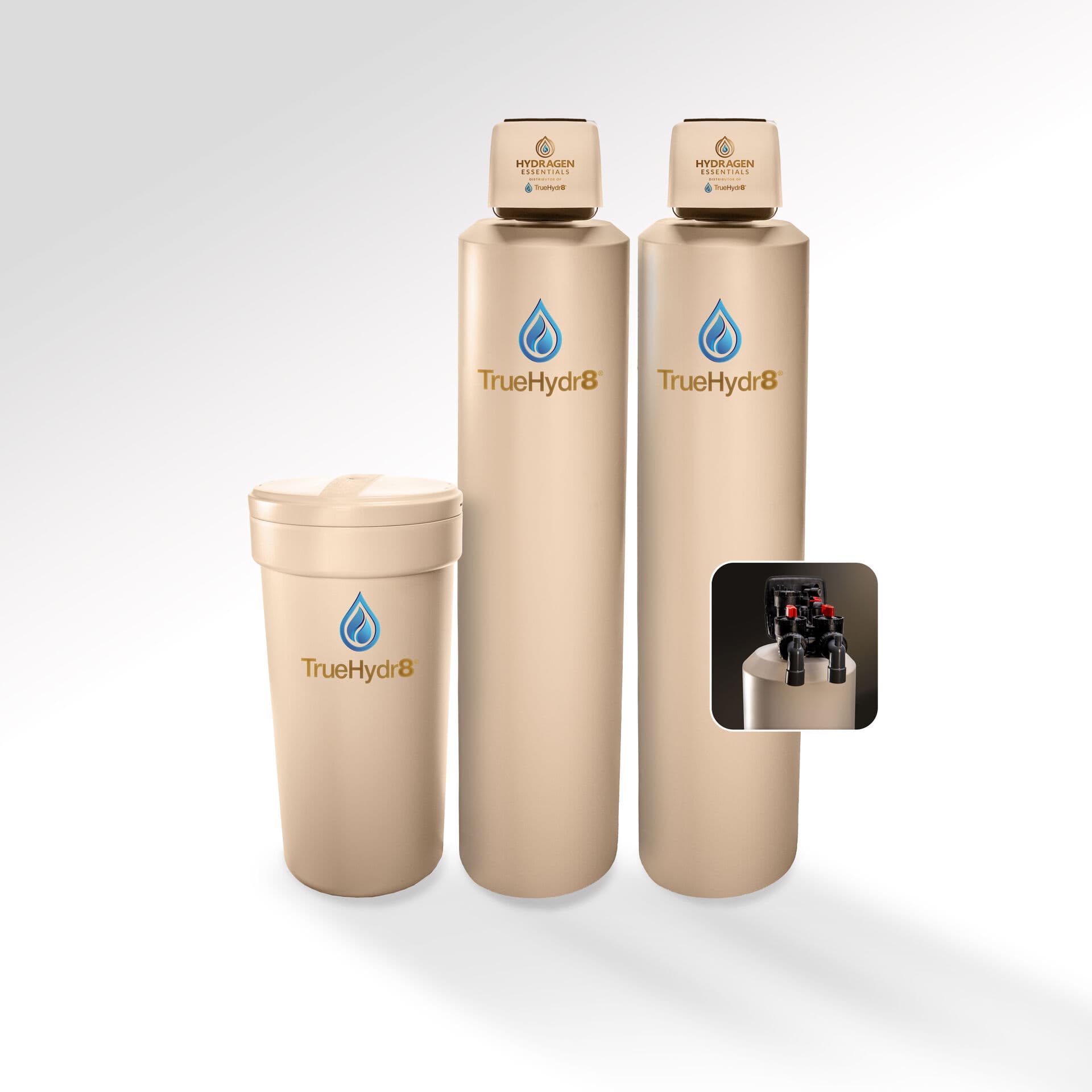
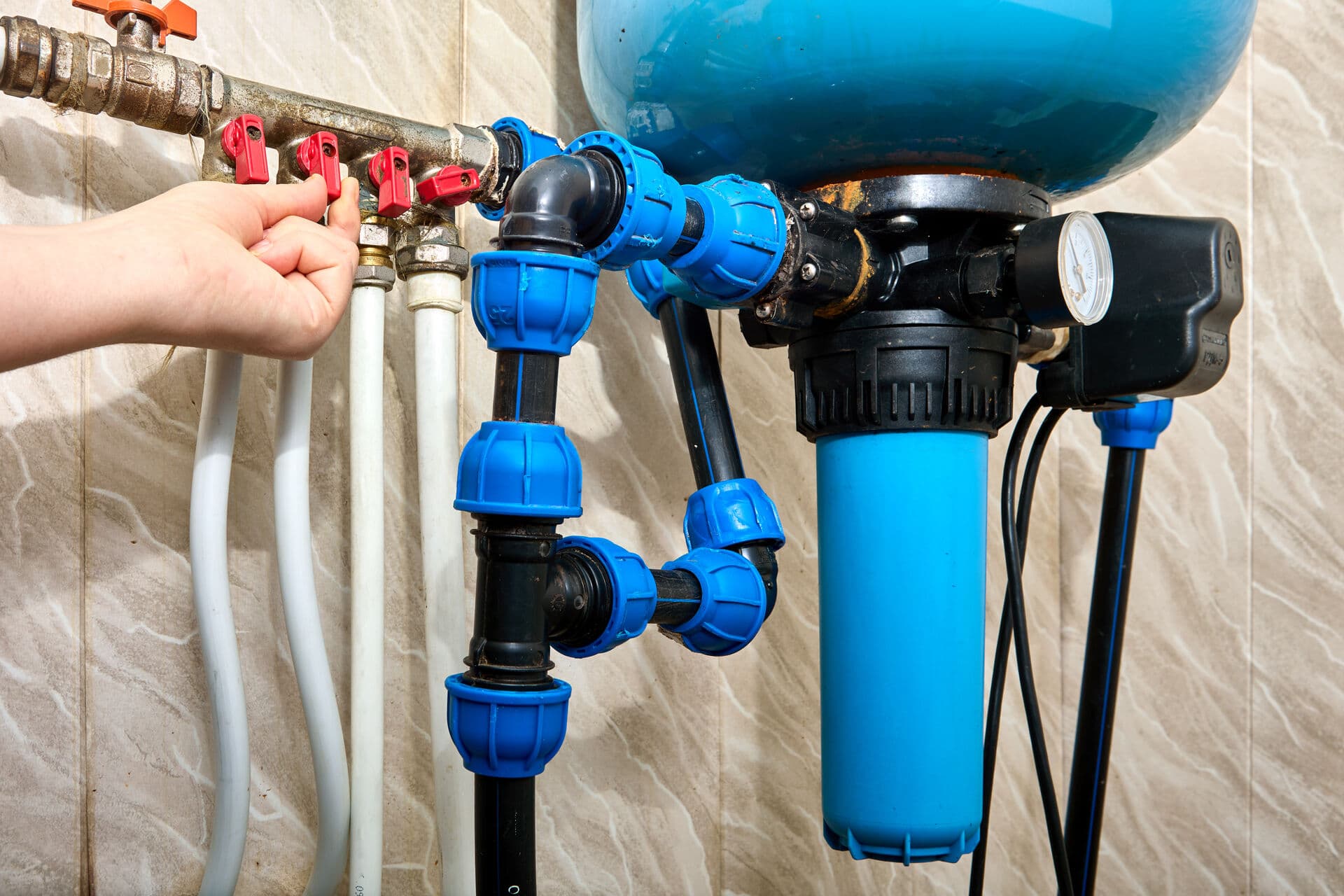
A water softener is one of the best investments you can make for your home, but like any appliance, it needs regular maintenance to perform at its best. Here is everything you need to know about keeping your softener in top condition.
How Often to Add Salt
The most common maintenance task is adding salt to the brine tank. Most households need to add salt every 4 to 8 weeks, depending on:
- Water hardness level -- harder water uses more salt
- Water usage -- larger families use more water
- System size -- larger tanks hold more salt
- Salt type -- evaporated salt pellets are the most efficient
Best Practice
Check your salt level monthly. The tank should be at least one-quarter full at all times. If the salt falls below the water level in the brine tank, the system cannot regenerate properly.
Types of Salt
Not all softener salt is created equal:
- Evaporated salt pellets -- Highest purity (99.9%), least residue, best performance
- Solar salt crystals -- Good quality, slightly less pure, may leave more residue
- Rock salt -- Cheapest but contains the most insoluble minerals, requires more frequent cleaning
We recommend evaporated salt pellets for the best results and least maintenance.
Cleaning the Brine Tank
Every 6 to 12 months, clean out your brine tank to prevent salt bridges and mushing:
- Let the salt level run low before cleaning
- Disconnect the system from the water supply
- Remove remaining salt and water
- Scrub the interior with warm soapy water
- Rinse thoroughly
- Refill with fresh salt
Common Problems to Watch For
Salt Bridges
A hard crust can form on top of the salt, creating an air gap that prevents the salt from dissolving in the water below. If your water starts feeling hard again despite having salt in the tank, a salt bridge may be the cause. Carefully break it up with a broom handle.
Resin Bed Issues
The resin beads inside the softener tank can degrade over time, typically after 10 to 15 years. Signs of resin failure include soft water that still feels hard, or resin beads appearing in your water supply.
Motor or Timer Failures
If the system is not regenerating on schedule, the motor or timer may need repair. Listen for the system cycling during its scheduled regeneration time (usually late at night).
When to Call a Professional
Contact us if you notice:
- Water that feels hard despite having salt
- Unusual noises from the system
- Water discoloration
- Significant drop in water pressure
- Salt usage that has changed dramatically
- The system is more than 10 years old
Annual Professional Maintenance
We recommend an annual professional check-up that includes:
- Full system inspection
- Resin bed cleaning and testing
- Valve and seal inspection
- Water quality verification
- Settings optimization
Keep Your Water Soft
Regular maintenance ensures your softener continues protecting your plumbing, appliances, and family for years to come. If it has been a while since your last service, schedule a maintenance visit and we will make sure everything is running perfectly.