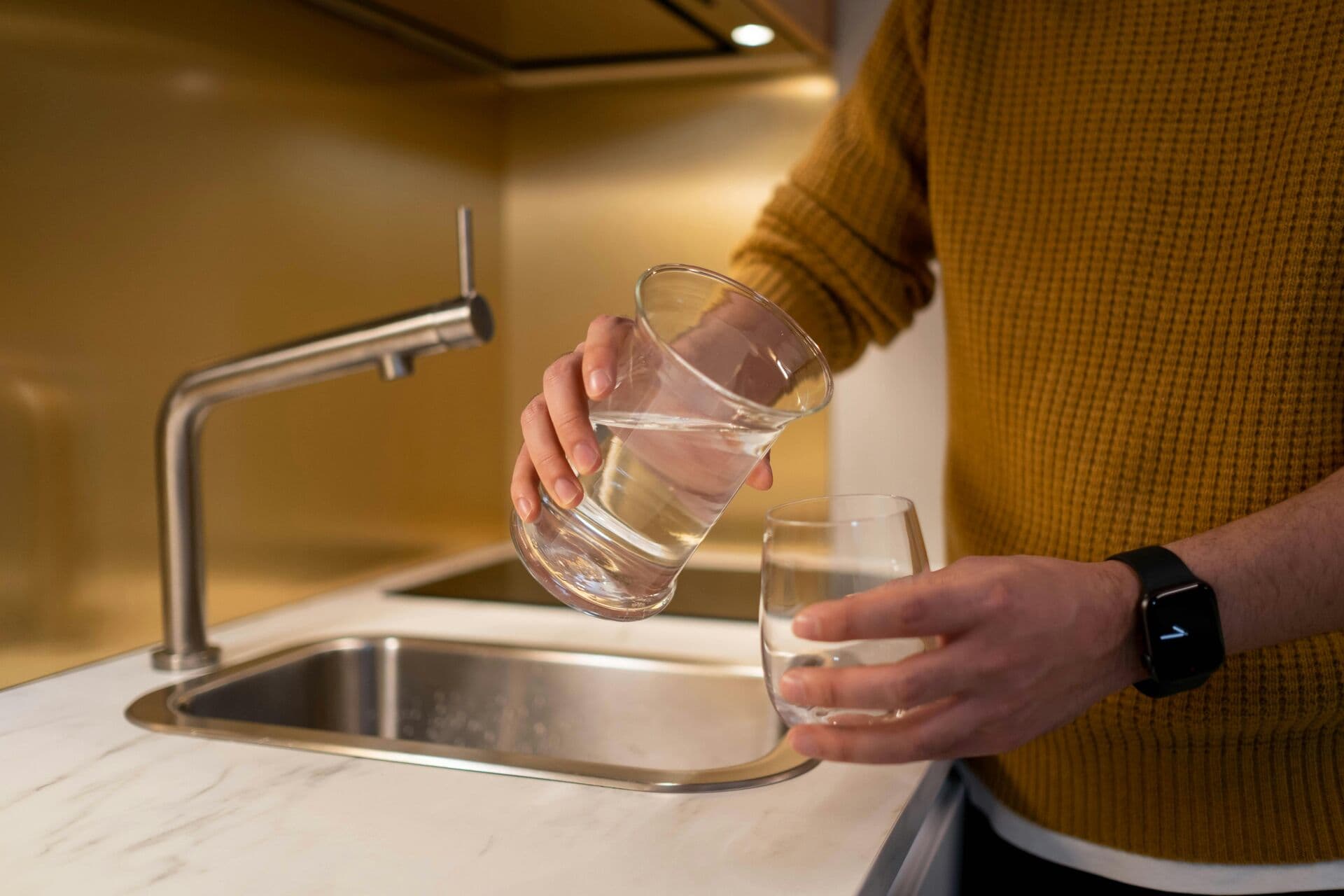
You pour a glass of water, drop in some ice cubes, and immediately notice something off. The water from the tap tastes fine, but the ice has a funky smell or strange flavor. If this sounds familiar, you are not alone -- and the fix is simpler than you might think.
Why Ice Amplifies Water Problems
Ice does not create taste problems. It reveals them. When water freezes slowly in your ice maker, dissolved gases and impurities become concentrated. As the ice melts in your drink, those concentrated contaminants are released, making them more noticeable than they are in flowing tap water.
Think of it like this: everything that is dissolved in your water gets trapped in the ice. When the ice melts, you taste it all at once.
Common Causes of Bad-Tasting Ice
1. Chlorine and Chloramine
Municipal water treatment plants add chlorine or chloramine to disinfect water. While safe to drink, these chemicals have a distinct taste and smell that becomes more pronounced when concentrated in ice.
The fix: A carbon filter -- either whole-house or connected directly to the refrigerator line -- removes chlorine and chloramine before water reaches your ice maker.
2. Hard Water Minerals
South Florida's extremely hard water contains high levels of calcium and magnesium. These minerals can give ice a chalky or metallic taste and create cloudy, white-looking cubes.
The fix: A water softener removes hardness minerals from all water in your home, including what goes to the ice maker.
3. Sulfur (Rotten Egg Smell)
If your ice smells like rotten eggs, hydrogen sulfide gas is the likely culprit. This is especially common with well water but can occur with city water too.
The fix: A specialized sulfur removal system eliminates hydrogen sulfide before it reaches any fixtures in your home.
4. Old Refrigerator Filter
Most refrigerators with built-in water dispensers and ice makers have a small carbon filter. These filters are designed to be replaced every 6 months. If yours has been there longer, it may be doing more harm than good -- harboring bacteria and no longer filtering effectively.
The fix: Replace your refrigerator filter on schedule. Better yet, install an RO system and connect it to your fridge for dramatically better filtration.
5. Dirty Ice Maker
Even with clean water, ice makers can develop mold, mineral buildup, and bacteria over time. The ice bin itself can absorb odors from your freezer.
The fix: Clean your ice maker every 3-6 months. Empty the bin, wash it with warm soapy water, and run a cleaning cycle if your refrigerator has one.
6. Freezer Odors
Ice absorbs odors from your freezer. If you store strong-smelling foods (fish, garlic, onions) near the ice maker, those smells will transfer to your ice.
The fix: Keep strong-smelling foods in sealed containers and away from the ice maker. Replace ice that has been sitting in the bin for more than a week.
The Real Solution: Better Water
Refrigerator filters are a band-aid. They use a small amount of carbon to reduce chlorine taste, but they cannot address hardness, TDS, sulfur, or most dissolved contaminants. Their capacity is limited and they deteriorate quickly.
The most effective solution is treating your water at the source:
For Taste and Odor Issues
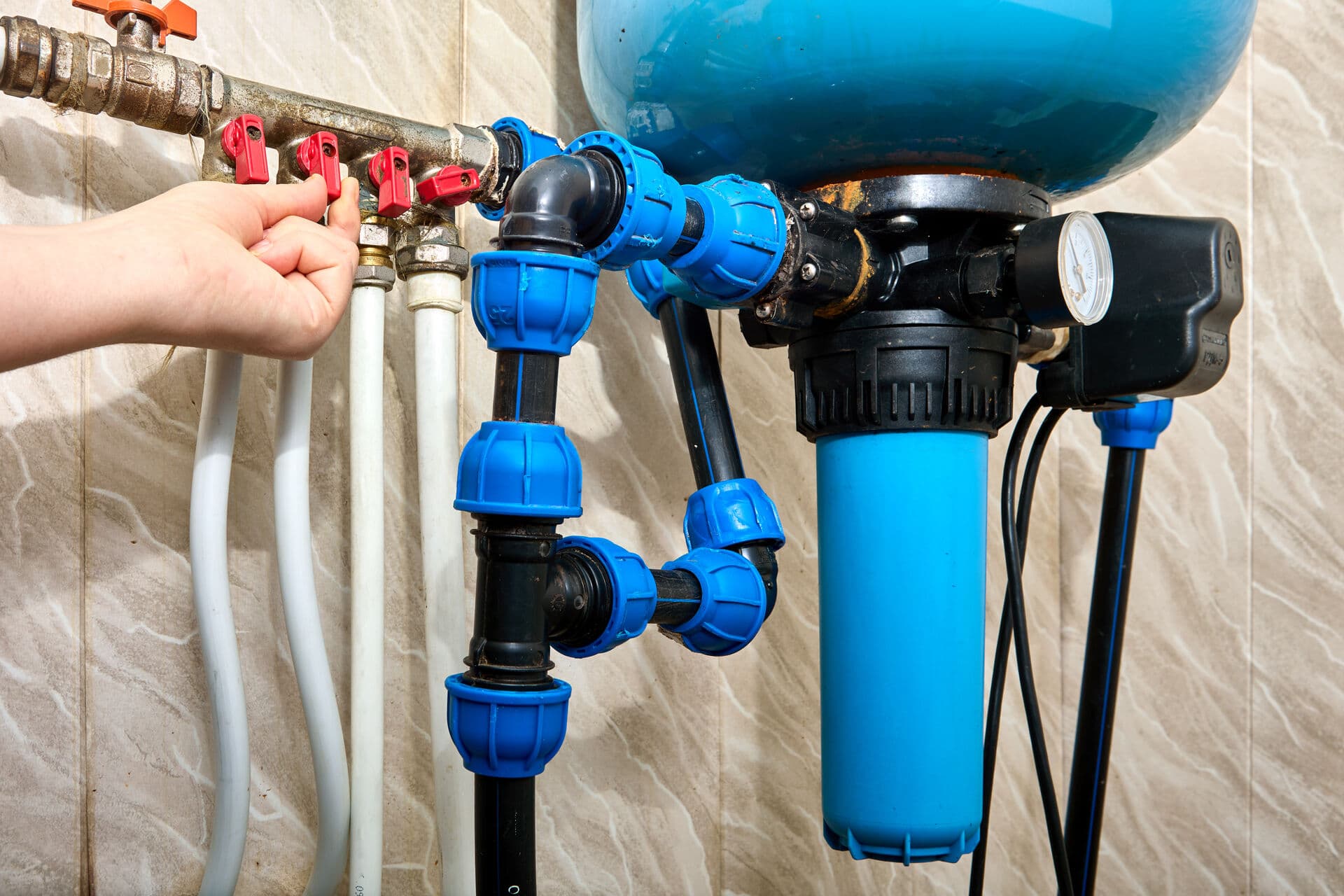
A whole-house carbon filter removes chlorine, chloramine, and organic chemicals from every drop of water in your home -- including what goes to your ice maker.
For Hard, Cloudy Ice
A water softener removes calcium and magnesium, producing crystal-clear ice with no chalky taste.
For the Purest Ice Possible
An under-sink reverse osmosis system connected to your refrigerator line produces the cleanest possible water for ice and drinking. RO systems remove up to 99% of dissolved contaminants, producing perfectly clear, tasteless ice cubes.
Clear Ice vs. Cloudy Ice
Ever wonder why restaurant ice is perfectly clear while home ice is cloudy? The cloudiness comes from dissolved minerals and trapped air bubbles. When you remove minerals with a softener or RO system, your ice becomes noticeably clearer.
Test Your Water
If your ice tastes off, your water needs attention. A free in-home water test takes 30 minutes and tells you exactly what is causing the problem.
Schedule your free water test and start enjoying better ice -- and better water -- throughout your home.